
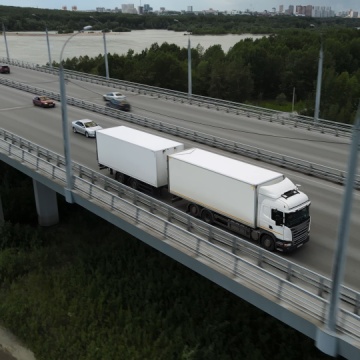
In 2026, fleet management will continue to evolve rapidly as logistics networks in Sydney respond to urban congestion, rising customer expectations and cost pressures. For logistics managers, staying abreast of emerging trends is no longer optional — it is critical to remain competitive in a market shaped by digital transformation, tighter safety regulations and the need for greater operational efficiency.
Data Analytics Powering Strategic Decisions
One of the defining trends in fleet management this year is the deeper integration of data analytics and business intelligence into everyday operations. Analytics tools provide visibility into vehicle utilisation, driver behaviour, fuel consumption and maintenance needs, enabling managers to make proactive, measurable improvements to their fleets.
In Sydney’s dense urban environment, these capabilities are particularly useful in mitigating congestion and improving route planning. With realtime traffic information and historical performance data, analytics tools help route optimally and reduce idle times — a significant cost driver in metropolitan delivery operations. They also support regulatory compliance by tracking maintenance schedules and driver hours.
Safety and Compliance Go Predictive
Safety remains a top priority. In 2026, leading logistics operations are shifting their focus from reactive compliance to predictive safety management. Technologies such as driver monitoring systems and digital inspection tools allow realtime tracking of risky behaviours, fatigue or maintenance concerns before they lead to incidents. This proactive approach is essential in Sydney’s operating context, where mixed traffic conditions and strict occupational health and safety requirements demand high safety standards.
Automated reminders and compliance checks, integrated into fleet management platforms, reduce administrative burden and help enforce policies consistently across teams and shifts. Further, advanced reporting capabilities make it easier to demonstrate compliance during audits or tender evaluations.
Cost Control through Telematics and Automation
Operational cost control remains a pervasive theme. The use of telematics — realtime GPS tracking, fuel monitoring and engine diagnostics — is now ubiquitous across successful fleets in Australia. These systems allow managers to identify inefficiencies such as excessive idling, suboptimal routes or costly unplanned maintenance.
Automation is another crucial trend. Automated reporting, automated compliance checks and workflows that eliminate manual data entry free managers to focus on strategy rather than administration. As fleets grow in size and complexity, automation also supports scalability without a corresponding increase in overhead.
Urban Delivery and Warehouse Integration
For Sydney logistics, specifically, fleet trends are shaped by the realities of urban delivery. High traffic density, strict delivery windows and emissions expectations necessitate solutions that prioritise efficiency. Advanced routing algorithms and AIdriven scheduling tools optimise deliveries within permitted time frames, while integration with warehouse automation systems can smooth handoffs between loading docks and lastmile vehicles.
Warehouses adopting automated material handling solutions further benefit from fleet systems that integrate onsite vehicle usage metrics with broader transport operations. This integrated data stream ensures visibility from warehouse to doorstep.
Linking Trends to Optafleet’s Capabilities
These broader fleet management trends are well reflected in systems like the OptaFleet Fleet Management System offered in Australia. OptaFleet provides a modular, cloudbased platform that supports realtime monitoring of vehicles and drivers, regardless of manufacturer or vehicle type, using GPRS and GPS connectivity. Its features include access control, driver behaviour tracking, impact detection, geofencing and detailed reporting — all essential tools for managing safety, utilisation and cost control effectively.
By offering accessible, uptodate fleet information with flexible analytics, OptaFleet aligns with the 2026 trend toward datadriven decisionmaking and predictive safety management. Its modular design allows Sydney logistics operations to adopt only the functionality they need — whether that is enhancing safety checks, tracking routes in real time or improving driver compliance — supporting more efficient, smarter fleet management.
In a landscape defined by rapid technological advancement and operational demands, embracing these fleet management trends will be critical for Sydney logistics managers seeking to optimise performance, ensure compliance and drive strategic value from their fleets.