
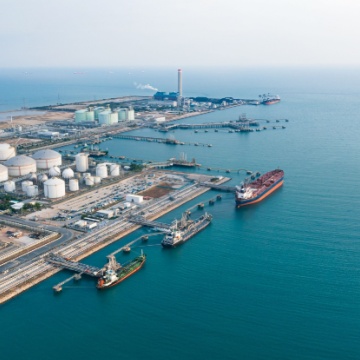
The oil and gas industry has always operated at the intersection of technical complexity and geopolitical risk. But the current global environment — characterised by conflict-driven supply disruptions, sanctions regimes, rerouted shipping corridors and accelerating competition for energy infrastructure — has raised the operational stakes considerably. For companies managing the logistics of critical oil and gas equipment, the consequences of getting things wrong have never been more expensive or more difficult to absorb.
Why equipment protection has become a strategic priority
When geopolitical disruptions force supply chains to lengthen, reroute or accelerate under pressure, the physical handling conditions that equipment experiences in transit deteriorate. Longer shipping routes mean more handling events, more transfer points and greater cumulative exposure to impact, vibration and environmental stress. Equipment that might have arrived in good condition along a stable, direct route is now traversing more complex logistics chains under compressed timelines — and critical components like pumps, compressors and other exploration equipment are paying the price.
The cost of damage in this context is not simply a repair bill. A single failed component arriving at a remote offshore platform or onshore processing facility can halt an entire operation. Downtime in oil and gas is measured in figures that make equipment replacement costs look modest by comparison. And in an environment where procurement lead times have extended due to the same geopolitical pressures disrupting logistics, sourcing a replacement quickly is far harder than it used to be.
Visibility as a risk management tool
The most significant shift in how leading operators are approaching equipment protection is the move from reactive damage management to proactive monitoring and early warning. Impact monitoring devices — such as the ShockLog Satellite and ShockLog 298 offered by ShockWatch Australia — provide real-time and recorded insight into the physical conditions equipment experiences throughout the logistics chain. Rather than discovering damage after a compressor skid is already installed and operating, operators can identify and inspect potential problems before the equipment is ever put into service. That’s a fundamentally different risk profile.
The OpsWatch Wi-Fi vibration monitoring system takes this further still, providing continuous real-time alerts when equipment shows signs of impending failure — in some cases days before the failure actually occurs. In an industry where unplanned downtime is the single most damaging operational outcome, that advance warning capability represents genuine commercial value.
The broader lesson for Australian operators
Australia’s oil and gas sector operates in a global supply chain environment that is measurably more volatile than it was five years ago. Equipment arriving damaged, or failing prematurely due to undetected transit stress, is a risk that has grown alongside that volatility.
Investing in impact and vibration monitoring isn’t a peripheral concern for procurement and logistics managers in this sector. In the current geopolitical climate, it’s a core component of operational resilience.